
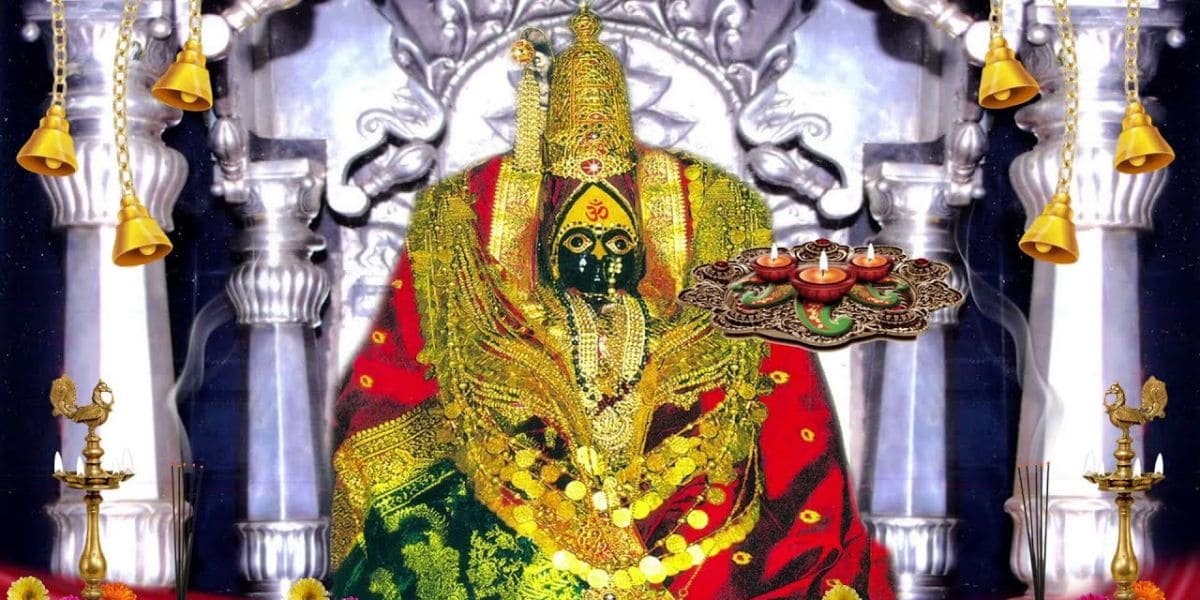
People in Maharashtra care about God. In this state, faith has always been a big part of life. It’s in hills, caves, old towns, and rivers. One of the most holy things you can do is praise Shakti. There is more to Maharashtra’s shaktipeeth than just chapels. People have been helped for a very long time by these live signs of faith, loyalty, and spiritual power.
An Indian story says that the Shakti Peeths are where Goddess Sati’s body parts fell after Lord Shiva took her body all over the world. All of the Shakti Peeths show how strong the Divine Mother is. There are still shaktipeeth in Maharashtra that connect this powerful story to real places. People come from all over India to see them.
What It Means to Pray to Shaktipeeth in Maharashtra
For a very long time, women in Maharashtra have been thought of as gods. Deities like Bhavani, Mahalakshmi, Renuka, and Tulja Bhavani are worshipped by people in both towns and cities. This kind of loyalty has been around for a very long time in Indian shaktipeeth. They follow their faith in their daily lives, on holidays, and in other unique ways.
There are more than one reason why these holy places are important. They changed folk songs, art, how sites were built, and everyday life. A lot of kings used to think that gods could help and watch over them there.
What Number of Shaktipeeth Are There in Maharashtra?
A lot of people want to know how many Shakti Peeths are in the state. This state has three important Shakti Peeths. But because people in different parts of the country understand them differently, they are sometimes called three and a half Shakti Peeths. And in Maharashtra, every shaktipeeth has its own story, picture of a goddess, and spiritual value.
Kashi Mahalaxmi Shaktipeeth in Kolhapur
Maharashtra has a lot of holy places, but the Mahalaxmi Temple in Kolhapur is one of the most important. Some people think this is where the eyes of Goddess Sati fell. Goddess Mahalaxmi is married to Lord Vishnu, so this is where people pray to her. She’s the image of money, power, and balance.
People used to be able to think and work together with tools very well, as this building shows. A lot of people come to pray every day, for special holy days, and for celebrations like Navratri. People have been praying there for a very long time, making it one of the most important shaktipeeth in Maharashtra.
Tulja Bhavani Shaktipeeth, Tuljapur
If you go to Tuljapur, you can see the Tulja Bhavani Shaktipeeth, which is a very important holy place. The name of this building is Tulja Bhavani. A lot of people think of Goddess Bhavani as a strong form of Shakti who looks out for them. Some people think this is where Goddess Sati’s right arm fell.
This is where Chhatrapati Shivaji Maharaj used to live. In his mind, Tulja Bhavani was the goddess of his family. She is still prayed to because people believe she makes them strong, powerful, and safe. It is one of the most well-known and important sacred sites in Maharashtra.
Renuka Shaktipeeth, Mahur
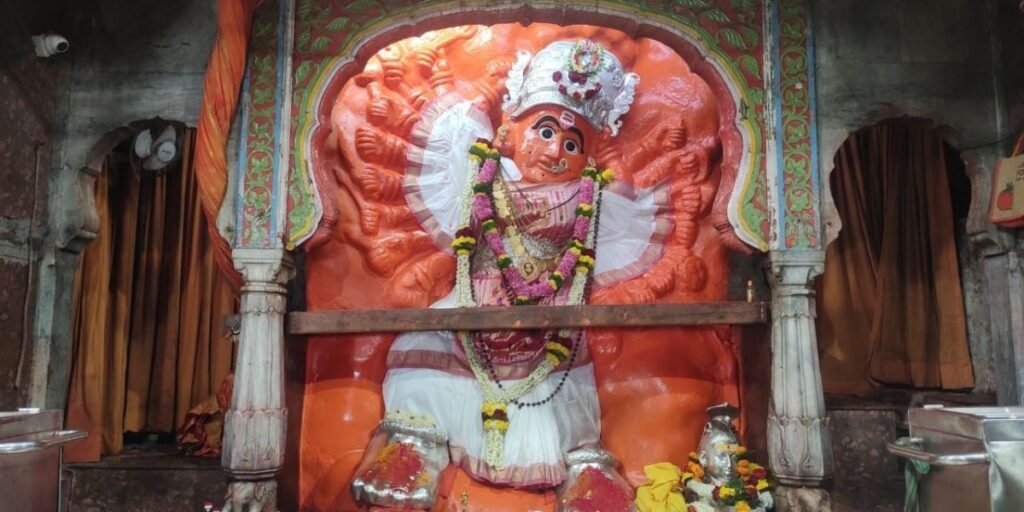
The Renuka Devi Temple in Mahur is another important Shri Kshetra Peeth in Maharashtra. It’s called Shree Renuka Shaktipeeth. There is a road nearby. Some people think this is where the head of Goddess Sati fell. Folks pray to her because she is the mother of Lord Parashurama, who is a form of Lord Vishnu.
This temple is surrounded by hills and beautiful nature, which makes it a peaceful but strong place to experience faith. People who go on pilgrimages to Mahur often feel very calm and committed. It is one of the best places in Maharashtra to improve your mind because of this.
Spiritual Meaning of Shaktipeeth in Maharashtra
Indian shaktipeeth each stand for a different mix of strength, kindness, and safety. For Shakthi is not only strength, but also love, which is what keeps life going. This is brought to the minds of those who pray in these holy places. People believe that going to these places to pray will solve their problems, make their faith stronger, and give them peace of mind.
In these churches, some of the rituals come from old stories that have been passed down from one generation to the next. A lot of spiritual practice can be seen in every habit, from the aartis in the morning to the gifts made during Navratri.
Festivals and Celebrations at Shaktipeeth in Maharashtra
All shaktipeeths in Maharashtra enjoy Navratri, which is the most important festival there. During these nine days, different prayers are said to the Goddess and beautiful things are put in shrines. People who follow this religion fast, pray, and attend events that are important to the religion.
Big events like Kojagiri Purnima, Lalita Panchami, and priest fairs happen in the area too. These events help tie faith and everyday life together better and keep old customs alive.
Architecture of Shaktipeeth in Maharashtra
In Maharashtra, the shaktipeeth are built in a style that is a mix of old Indian temple architecture and local crafts. Idols, room plans, and drawings in stone are all meant to make people feel spiritual and make them want to pray and think.
They have had many changes over the years, but they still have their spiritual centre. Shiāı has been around for a long time, as this building shows.
Pilgrimage Experience at Shaktipeeth in Maharashtra
In Maharashtra, going to a shaktipeeth is kind of like a holy trip. People who are committed often walk or use other old-fashioned methods to travel long distances. People believe that the real prayers they say at these holy places will make them healthy, wealthy, and happy with their families.
Along the ways that people walk to get to these places, they share a lot of stories, thoughts, and experiences. These things make the trip more holy.
Cultural Influence of Shaktipeeth in Maharashtra
In Maharashtra, shaktipeeth isn’t just found on homes. In church songs, folk dances, and writing, people in the area often praise the Divine Mother. Every day, people all over the world tell stories about how the Goddess watches over those who follow her.
Through this strong cultural link, the love of Shakti is passed down from one family to the next.
Conclusion: Spiritual Power of Shaktipeeth in Maharashtra
So, the shaktipeeth in Maharashtra are holy places where history, faith, and energy from heaven all come together. The fact that they are so strong shows how important the Divine Feminine is to Indian spiritual life. These holy places change people’s hearts and minds in a way that lasts, whether they come to pray, find peace, or learn about other cultures.
There are many old practices still going strong at Maharashtra’s shaktipeeth, and people from all walks of life are welcome to join. Spiritual strength, balance, and loyalty are taught in these faiths.
FAQ
What is a Shaktipeeth in Maharashtra?
A shaktipeeth in Maharashtra is a sacred place where Goddess Shakti is worshipped. These sites are believed to be linked to Goddess Sati and are known for their spiritual power and deep faith.
How many shaktipeeth in Maharashtra are there?
There are three main shaktipeeth in Maharashtra. In some traditions, they are also referred to as three and a half Shakti Peeths, based on regional beliefs.
Which is the most famous shaktipeeth in Maharashtra?
The Mahalaxmi Shaktipeeth in Kolhapur is the most famous shaktipeeth in Maharashtra. Devotees believe the eyes of Goddess Sati fell at this holy place.
Is Tulja Bhavani Temple a shaktipeeth in Maharashtra?
Yes, Tulja Bhavani Temple in Tuljapur is an important shaktipeeth in Maharashtra. It is believed that the right arm of Goddess Sati fell here.
Where is Renuka Shaktipeeth located in Maharashtra?
The Renuka Shaktipeeth is located in Mahur, in the Nanded district of Maharashtra. Goddess Renuka is worshipped here as the mother of Lord Parashurama.
Why are shaktipeeth in Maharashtra important?
The shaktipeeth in Maharashtra are believed to hold strong divine energy. People visit these temples to seek strength, protection, peace, and blessings from the Divine Mother.
Krishna Mishra writes for Insights of Hinduism, where he shares heartfelt thoughts on festivals, traditions, and the timeless wisdom of Sanatan Dharma. His aim is to keep the essence of Hindu culture alive in a way that feels simple, authentic, and relatable to everyone.