
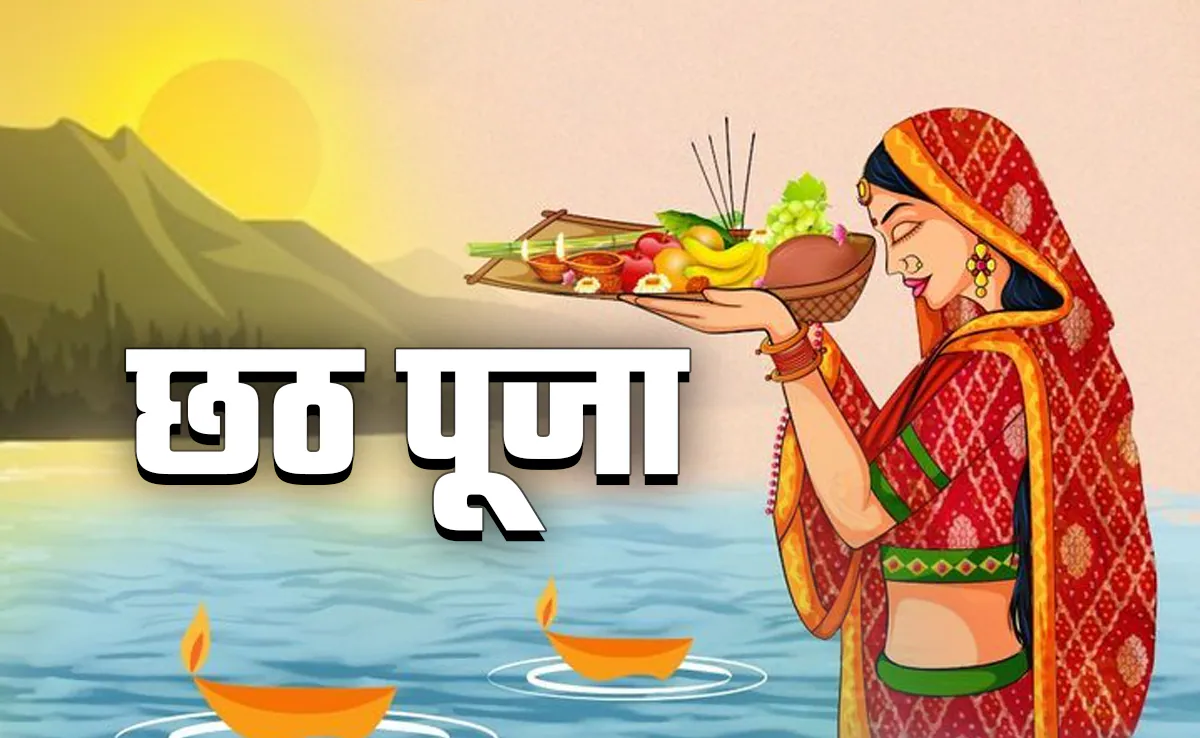
The four-day-long celebration is not merely a religious occasion but also a festival of purity, discipline, and nature worship. Faith, commitment, and a deep feeling of community guide every part of the ceremony. People think that doing Chhath Puja cleanses their sins and brings good things into the life of those who do it with a pure heart. Families join together, rivers and ponds are cleaned, and villages have a sense of solidarity and devotion.
The Significance of Chhath Puja
Chhath Puja shows how much people believe in the Sun’s power, which keeps life going on Earth. Hindus believe that Surya Dev gives them energy and heals them, as well as wisdom and strength. The festival also honors Chhathi Maiya, the goddess who protects kids and makes their wishes come true. Devotees show their thanks for life, health, and the natural things that help all living things by praying, fasting, and other rituals.
Chhath Puja encourages peace with nature in addition to its spiritual side. The rituals include natural items like bamboo baskets, clay pots, fruits, and homemade sweets, which shows that they care for the environment. This helps keep rivers and the environment safe because it doesn’t utilize plastic or fake colors. This thoughtful way of doing things makes Chhath a religious and environmental holiday.
Day 1: Nahay Khay, the Start of Cleaning
Nahay Khay, which means “bathe and eat,” is the name of the first day of Chhath Puja. On this day, believers begin the purification process by bathing in a river, pond, or other body of holy water. Taking a bath is a way to clean both the body and the mind, getting ready for the days of fasting that come after. After the bath, devotees make a simple, healthy vegetarian meal that usually includes rice, pumpkin, and pulses.
Day 2: Kharna, the day of fasting and self-control
Kharna, or Lohanda, is the name of the second day. This day is all about fasting and controlling yourself. Nirjala vrat is the name for the stringent fast that devotees follow from sunrise to sunset, during which they don’t even drink water. Worship, meditation, and getting ready for the evening ceremonies take up the whole day.
At sunset, devotees get ready to give Surya Dev gifts, which commonly include gur ki kheer (a rice pudding prepared with jaggery and milk), roti, and fruits. You can only break the fast after giving these to the god and doing the ceremonies. The Prasad is subsequently distributed to family members and neighbors, creating an environment of joy and devotion.
Kharna stands for strength and commitment. It teaches you to be patient, control your urges, and give up what you want to God’s will. This day also starts the 36-hour fast that lasts until the completion of Chhath Puja and doesn’t include water. The Vrati prepare both emotionally and physically for this tough yet spiritually uplifting journey.
Day 3: Sandhya Arghya, or “Offering to the Setting Sun”
Sandhya Arghya is the most important day of Chhath Puja, which is the third day. On this day, people get ready to provide an offering to the setting sun in the evening. Families come together with baskets called soops, filled with thekua, fruits, sugarcane, coconuts, and other precious artifacts. The soops and offerings are elegantly designed to show love, care, and devotion.
As the sun goes down, devotees dress in traditional clothes and gather by rivers, ponds, or other bodies of water. While reciting prayers, the Vrati stand in the river and offer arghya, which is water and milk poured with folded hands, to the setting sun. The whole picture is lit up by lighting and devotion, making it a tranquil and holy place.
The Sandhya Arghya rite bears significant symbolic importance. It shows thanks to the sun for keeping life going and educating people to value both light and gloom. The sinking sun reminds us all that life is a balance, and that endings are really just fresh beginnings. Traditional folk songs, chants, and music fill the air, bringing people together in their common faith.
Day 4: Usha Arghya, a morning offering to the sun as it rises
Usha Arghya, which means “morning offering to the rising sun,” is the last and fourth day of Chhath Puja. Devotees meet again at the ghats or riverbanks before dawn to pray to the Sun God. The energy in the early morning is pure and positive, and seeing hundreds of devotees standing silently, waiting for the first rays of the light, is very spiritual.
As the sun rises, they offer arghya with their hands folded, showing their love and thanks to Surya Dev and Chhathi Maiya. This ceremony symbolizes the completion of the long time of fasting. Devotees break their fast by consuming Prasad, which usually contains thekua and fruits, after they pray. Families go home feeling thankful, happy, and full, like they have everything they need. Usha Arghya stands for hope, new beginnings, and the regeneration of life.
Chhath Puja Gifts and Prasad
The offerings, sometimes called Prasad, are a big part of Chhath Puja. The most common items include thekua, gur ke laddoo, kheer, sugarcane, coconut, banana, and other seasonal fruits. All of the things utilized in the worship are natural and clean, with no chemicals or preservatives. Each donation is supposed to have spiritual meaning – purity, thankfulness, and appreciation for nature’s offerings. Preparing and sharing Prasad improves family relationships and creates a sense of oneness in the community.
Message about the environment and society
Chhath Puja is not just about spirituality; it’s also about getting along with environment. Every ceremony teaches how to be clean, how to respect rivers, and how to take care of the environment. Cleaning up bodies of water before worship helps people understand how important it is to protect natural resources. Using clay pots and bamboo baskets instead of plastic is an eco-friendly way to keep traditions alive. Worshipping the sun reminds people of how important solar energy, air, and water are. These are the basic things that keep all life going.
The festival also brings people together. People from many kinds of backgrounds and groups take part and aid each other during the rites. Chhath Puja encourages equality since everyone who worships does so with the same sacrifices and dedication, no matter how rich or poor they are.
Conclusion
The Chhath Puja in 2025 is a time to celebrate faith, purity, and thankfulness. It celebrates the Sun God and Mother Nature and teaches discipline, patience, and dedication. The four days of ceremonies bring people back to their roots and remind them of the important connection between people and nature. Chhath Puja makes everyone stop, think, and be grateful for the light, warmth, and blessings that keep life going in today’s fast-paced world. It really is a festival of hope, balance, and divine harmony that brings people together under the golden light of the rising sun.
Krishna Mishra writes for Insights of Hinduism, where he shares heartfelt thoughts on festivals, traditions, and the timeless wisdom of Sanatan Dharma. His aim is to keep the essence of Hindu culture alive in a way that feels simple, authentic, and relatable to everyone.