
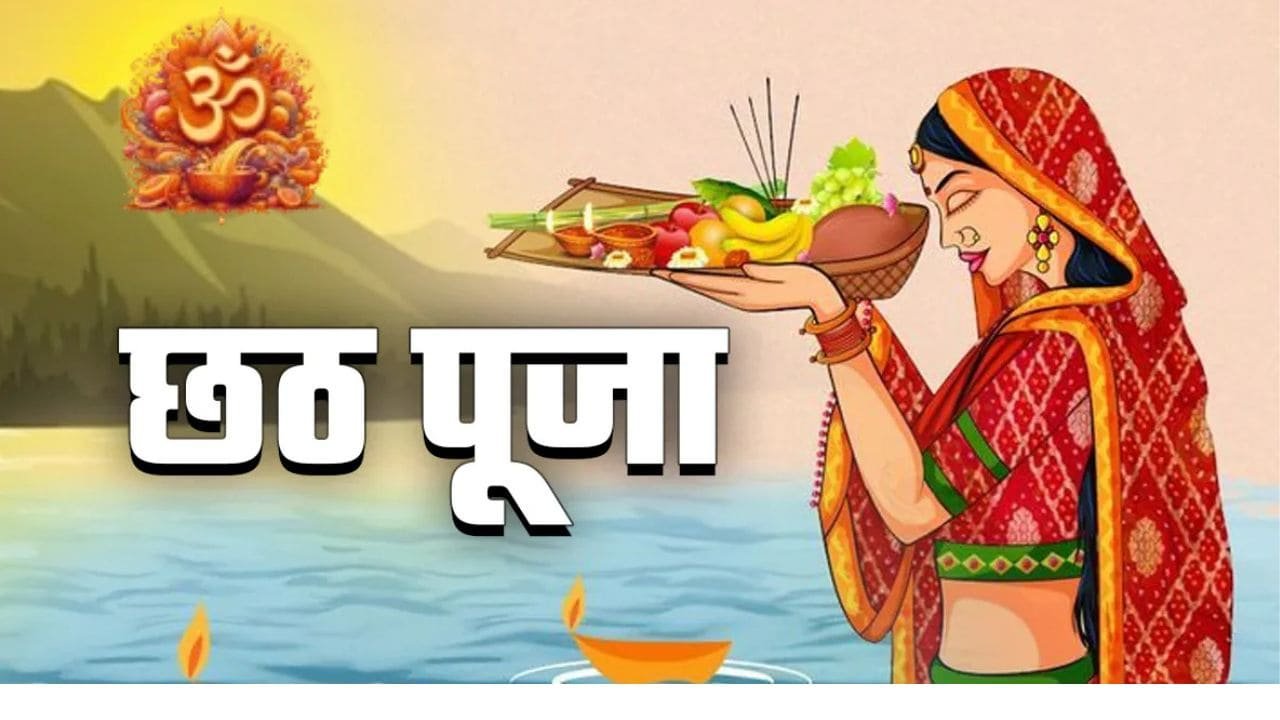
Chhath Puja is one of the most revered Hindu festivals dedicated to the worship of the Sun God, Surya Dev, and his consort, Chhathi Maiya. Celebrated with immense devotion in states like Bihar, Jharkhand, and eastern Uttar Pradesh, the four-day festival is a beautiful blend of faith, discipline, and gratitude. The second day of Chhath Puja is known as Kharna, a crucial phase that prepares devotees for the final and most important ritual—offering Arghya to the rising sun. This day is marked by strict fasting, evening prayers, and the preparation of a special prasad that holds deep spiritual value.
Meaning of Kharna
The word “Kharna” comes from the Bhojpuri and Maithili languages, meaning “to eat” or “feeding.” However, in the context of Chhath Puja, it signifies a ritualistic meal taken after a day-long fast. Devotees observe a strict nirjala fast—without even drinking water—from sunrise to sunset. The fast is broken only after performing evening prayers and offering the first meal to the Sun God. This act of eating after worship symbolizes humility, gratitude, and surrender to divine will.
Spiritually, Kharna is seen as a bridge between the initial purification and the final offering. It is believed that by enduring hunger and thirst, devotees purify their body and mind, making them worthy of seeking blessings from Surya Dev. The day reflects the values of self-control, patience, and unwavering faith.
Kharna 2025 Date and Muhurat
In 2025, Kharna will be observed on October 27, which falls on a Monday. It is celebrated on the Saptami Tithi of the Krishna Paksha in the Hindu month of Ashwin. The muhurat for the evening puja, when the prasad is offered and the fast is broken, begins in the late afternoon and lasts until sunset.
The auspicious time for performing Kharna Puja in 2025 is from 05:12 PM to 06:45 PM IST. Devotees begin their preparations early in the day, ensuring that all rituals are completed within this sacred window. Observing the fast and puja during the correct muhurat is believed to multiply the spiritual benefits and fulfill wishes.
Kharna Rituals and Traditions
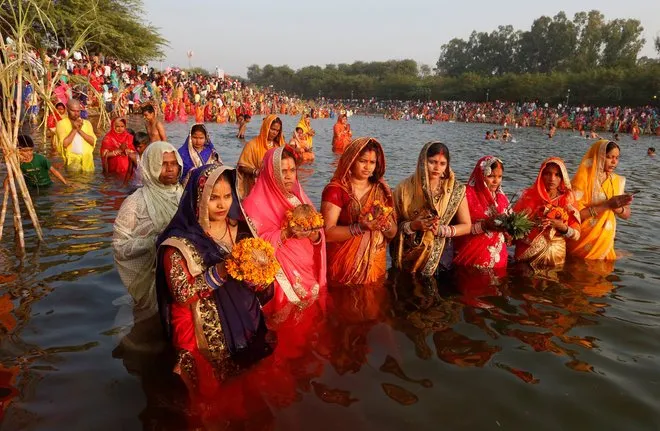
Early Morning Preparations
The day of Kharna begins before sunrise. Devotees wake up early, take a holy bath, and clean their homes thoroughly. This purification is not just physical but also symbolic, representing the cleansing of sins and negative thoughts. After bathing, they wear clean clothes, usually in orange or red, colors associated with purity and energy.
Once the home is purified, the devotee begins the nirjala fast. No food or water is consumed throughout the day. This fast is considered highly rigorous and is undertaken with a firm resolve to seek the blessings of Surya Dev and Chhathi Maiya for the well-being of the family.
Evening Puja and Offerings
As the sun begins to set, the main Kharna Puja is performed. A small altar is set up at home, decorated with flowers, sugarcane, and fruits. The key offering is kheer (a sweet dish made of rice and jaggery), along with roti (flatbread), bananas, and coconut. These items are first offered to the Sun God and Chhathi Maiya with deep devotion.
The puja involves chanting of mantras, lighting of lamps, and offering arghya (water) to the setting sun. After the prayers, the prasad is distributed among family members and neighbors. The devotee breaks the fast by consuming a small portion of the prasad, marking the end of the day’s austerity.
Kharna Prasad: The Sacred Food
Ingredients and Preparation
The Kharna prasad is simple yet sacred. It is prepared using only pure and natural ingredients—rice, jaggery, milk, bananas, and coconut. The dish is traditionally cooked on a mitti chulha (earthen stove), which is believed to add spiritual purity to the food. No onion, garlic, or non-vegetarian items are used, as the preparation must remain sattvik (pure).
The kheer is made by boiling rice in milk and sweetening it with jaggery instead of sugar. This combination is not only nutritious but also symbolic—jaggery represents the sweetness of life, while rice stands for sustenance and prosperity. The roti served with it is made from whole wheat flour and cooked without oil.
Distribution and Sharing
Once the prasad is offered to the deities, it is shared with all present. This act of sharing strengthens community bonds and spreads blessings. It is customary to send prasad to relatives and neighbors, especially those who are unable to observe the fast. The belief is that the grace of Surya Dev multiplies when the prasad is shared with others.
Cultural and Religious Importance
Kharna is more than just a ritual—it is a lesson in discipline, gratitude, and connection with nature. The fast teaches self-control, while the offerings reflect gratitude for the sun’s life-giving energy. By worshipping the Sun God, devotees acknowledge their dependence on nature and seek harmony with the environment.
The day also emphasizes spiritual cleansing. The absence of food and water is believed to detoxify the body and mind, making the devotee more receptive to divine energy. Kharna serves as a preparation for the final day of Chhath Puja, where devotees stand in water to offer arghya to the rising sun. It is a step-by-step journey toward spiritual elevation.
Regional Practices
In Bihar, Jharkhand, and eastern Uttar Pradesh, Kharna is celebrated with deep cultural fervor. Women, especially, take the lead in organizing the rituals. Homes are decorated with mango leaves and flowers. In rural areas, the sound of folk songs fills the air, praising the Sun God and Chhathi Maiya.
Each region has its own variations. In some parts of Bihar, the kheer is made with chana dal (split chickpeas) instead of rice. In Jharkhand, devotees may include sweet potatoes in the prasad. Despite these differences, the core rituals remain the same—fasting, prayer, and offering.
Folk songs, known as Chhath geet, are sung in the evening. These songs express devotion, tell stories of the festival’s origin, and celebrate the bond between mother and child. The atmosphere is one of joy, unity, and spiritual energy.
Do’s and Don’ts During Kharna
To observe Kharna correctly, devotees follow certain guidelines:
Do’s:
Take a holy bath early in the morning.
Clean the house and set up a clean puja space.
Begin the fast with a sincere prayer.
Prepare prasad with pure ingredients.
Perform the evening puja within the muhurat.
Share prasad with family and neighbors.
Don’ts:
Do not consume any food or water during the fast.
Avoid negative thoughts or arguments.
Do not use non-sattvik ingredients in cooking.
Refrain from touching impure objects during the fast.
Do not delay the puja beyond sunset.
Following these rules ensures that the fast is observed with full devotion and yields the desired spiritual results.
Conclusion
Kharna is a vital part of Chhath Puja, marking the transition from preparation to fulfillment. It teaches discipline, gratitude, and the power of faith. By enduring a day-long fast and offering the first meal to the Sun God, devotees purify themselves and prepare for the final rituals. The prasad, made with love and devotion, becomes a symbol of divine blessing. As families come together to pray and share, Kharna strengthens both spiritual and social bonds. It is not just a ritual, but a celebration of life, nature, and devotion.
FAQs About Kharna 2025
Q1. What is Kharna in Chhath Puja?
Kharna is the second day of Chhath Puja, observed with a strict fast and evening worship. It is the day when devotees prepare prasad and break their fast after offering it to the Sun God.
Q2. What food is prepared on Kharna?
The main food is kheer made from rice, jaggery, and milk, along with roti, bananas, and coconut. It is cooked on an earthen stove and offered as prasad.
Q3. Why is Kharna fast observed without water?
The nirjala fast is a form of penance and purification. It shows devotion and self-discipline, making the devotee worthy of divine blessings.
Q4. Can Kharna be performed at home?
Yes, Kharna is primarily performed at home. The puja is done in a clean and sacred space, and the rituals can be completed by the devotee with family support.
Q5. What is the importance of Kharna Prasad?
The prasad is considered blessed by Surya Dev. Eating it after the fast symbolizes receiving divine grace. Sharing it spreads positivity and strengthens community ties.

Krishna Mishra writes for Insights of Hinduism, where he shares heartfelt thoughts on festivals, traditions, and the timeless wisdom of Sanatan Dharma. His aim is to keep the essence of Hindu culture alive in a way that feels simple, authentic, and relatable to everyone.