
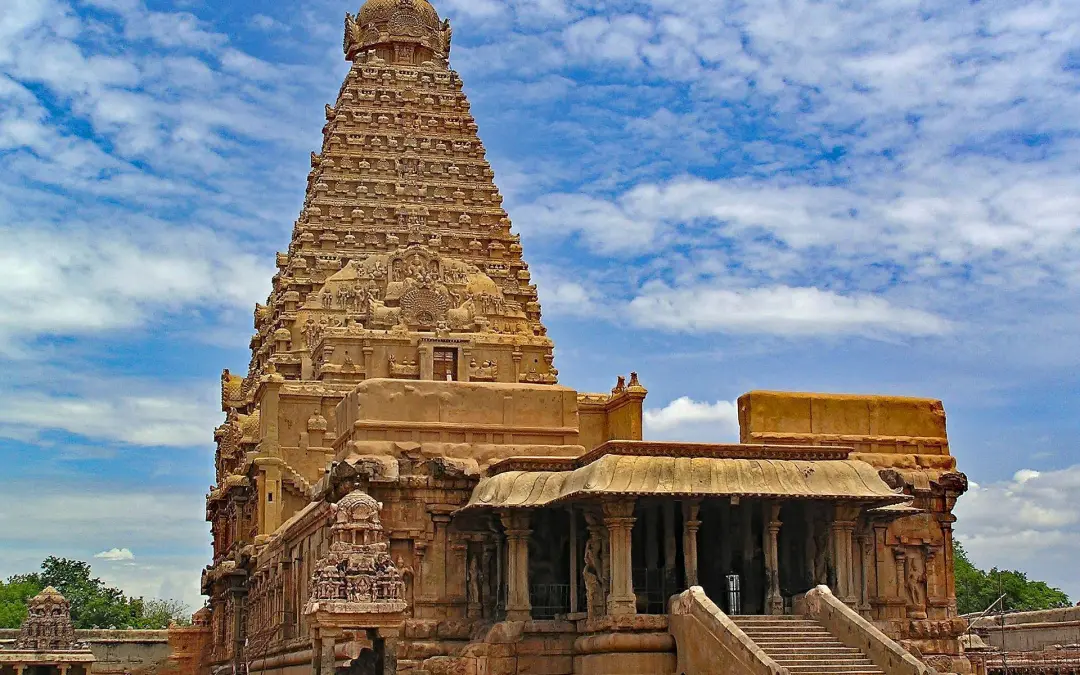
A famous temples in India is not just a holy structure but a sacred space where Hindus pray and connect with divine energy. A mandir, or Hindu temple, represents devotion, culture, and ancient wisdom. Each Hindu worship place is built to help devotees feel closer to their gods and goddesses, reflecting faith and spirituality that has thrived for centuries.
The Vedic temple has been a sign of the link between spirituality and art since the Vedic period. Temples keep sacred practices alive, like yajnas, bhajans, and daily rituals that help Hindus live their lives in a way that is in line with their beliefs. The mandir connects human consciousness to cosmic energy in real time. It makes sure that spirituality and traditional rituals are still vital parts of modern devotion.
The History and Development of Hindu Most Famous Temples
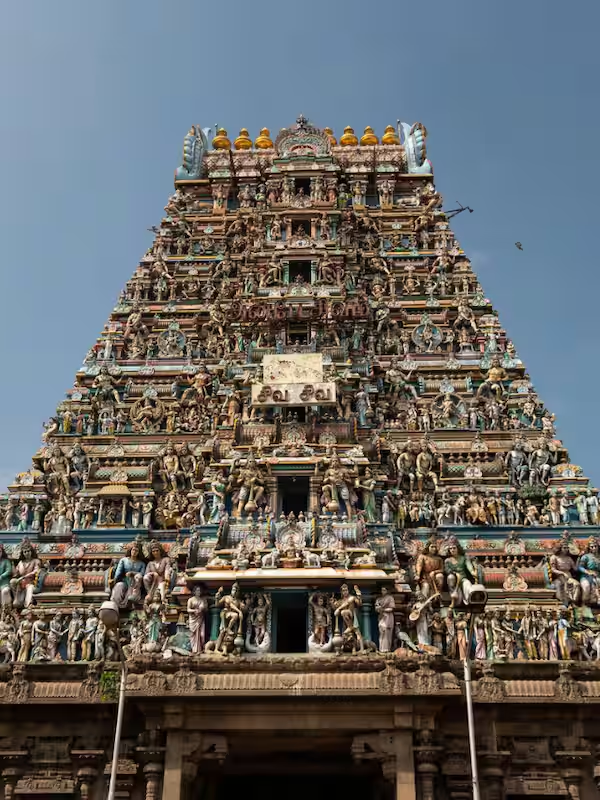
For thousands of years, Hindus have prayed in temples. The Hindu Valley famous temples in the Indus Valley Civilization are where it all started. People built these shrines to honor the forces of nature. The move from open-air altars in the Vedic age to built temples was the beginning of a new manner for the divine to show itself.
Over the years, the architecture of Hindu famous temples developed in astonishing ways. Ajanta and Ellora were among the earliest cave temples. They were replaced by larger stone buildings with intricate carvings and lofty spires. Every form of architecture, whether it was Dravidian in the South or Nagara in the North, had a meaning that went beyond this world. Every section of the temple, from the base to the dome, shows the universe and helps people go from the physical world to spiritual enlightenment.
The Most Famous Temples in India
India has many famous temples, and each one represents a different part of Hindu culture’s history, rituals, and art from the area. These sacred places are not only places where Hindus pray, but they are also living museums of music, art, and architecture.
- The Kashi Vishwanath Famous Temple in Varanasi, Uttar Pradesh
Hindus consider Kashi Vishwanath to be one of their holiest destinations. It is on the banks of the Ganga River and is dedicated to Lord Shiva. It means independence and a new beginning in the spirit. People who visit this temple believe it will help them reach moksha, which means getting out of the cycle of rebirth. - The Tirupati Balaji Famous Temple in Andhra Pradesh
This temple is one of the richest in the world and is dedicated to Lord Venkateswara. The temple has a highly strict schedule of daily rituals and darshans that attract millions of pilgrims each year who want blessings for peace and prosperity. - Jagannath Temple in Puri, Odisha
This medieval Vedic temple is best renowned for the annual Rath Yatra festival. Its unique customs, which derive from Vedic culture, reflect how people and God are always connected. The temple is a dynamic spiritual place because of its big chariots and festivities. - The Meenakshi Amman Temple in Madurai, Tamil Nadu
This shrine is a work of art that glorifies Goddess Meenakshi and her marriage to Lord Sundareswarar. The temple’s Dravidian towers are covered in thousands of colorful sculptures. This reveals how strong the holy feminine spirit is in Hindu famous temples. - The Somnath Temple in Gujarat
One of the twelve Jyotirlingas that glorify Lord Shiva is Somnath. After being assaulted, it has been rebuilt multiple times. It is a sign of faith and power that will last, and it indicates how strong the spirits are in India’s biggest famous temples. - The Temple of Kedarnath in Uttarakhand
Kedarnath is one of the most important locations of worship for Hindus. It was high up in the Himalayas. The journey to this shrine is equally as holy as the temple itself. It symbolizes for devotion, endurance, and awakening up the mind. - The Akshardham Temple in Delhi
Akshardham is a modern blend of architecture and religion. Through art, light shows, and sculptures based on old Vedic Famous temples, it shows India’s eternal spiritual soul. It is one of the most famous and modern famous temples of our time.
Why You Should Go to Famous Temples
Visiting holy places in Hinduism might help you relax, clear your thoughts, and get divine energy. Every holy location in Hinduism is meant to clear the mind and connect the spirit with the universe. People can also learn about other cultures in temples, like their music, dance, and philosophy.
In Hinduism, the tirtha yatra, or pilgrimage, is a symbol of spiritual progress. Going to many well-known temples gives devotees both peace of mind and a sense of connection. The Vedic temple tradition is really about teaching self-control, humility, and love for all living things through these kinds of visits.
The Art and Architecture of Vedic Famous Temples
The design of the Vedic temple has a lot of meaning. The shikhara, or temple tower, stands for the sacred mountain that unites heaven and earth. The garbhagriha, or sanctum sanctorum, is the womb of creation where divine energy lives.
The two primary styles of Indian Famous temples are the Dravidian style from the South and the Nagara style from the North. The gopurams (portal towers) on Dravidian temples are very intricate, whereas the shikharas (tall, curved towers) on Nagara temples are quite tall. Inside and outside of these Hindu temples, there are carvings of gods, heavenly beings, and cosmic patterns that indicate how great divine order is.
Mandirs and Hindu temples around the world today
Hindu famous temples are increasingly popping up all over the world, promoting the idea of dharma. Temples in Nepal, Bali, the UK, and the US still follow the old ways of worship and ritual.
Two modern temples that preserve the spirit of Vedic famous temples alive through digital outreach and community interaction are BAPS Akshardham in New Jersey and Sri Venkateswara Temple in Pittsburgh. These mandirs around the world educate more than just how to pray; they also teach Indian philosophy, yoga, and culture, making sure that traditional customs stay alive long after they leave their home country.
Protecting the Heritage of the Sacred Hindu Famous Temples
Hindu holy places are incredibly important for history, spirituality, and building. Taking care of them is important for keeping India’s spiritual heritage alive. Community-led restoration projects and government heritage plans are very important for protecting these treasures.
Followers are requested to maintain the pilgrimage clean and environmentally benign by using less plastic, respecting temple ordinances, and offering money to aid with temple care. It shows how much we all care about culture and the environment that famous temples last.
Frequently Asked Questions (FAQs)
What is it about a Hindu temple that makes it holy?
When divine ceremonies that call on the deity’s presence are held at a temple, it becomes holy and a center of spiritual energy.
What are the most well-known Famous temples in India?
Kashi Vishwanath, Tirupati Balaji, Jagannath, Meenakshi Amman, Somnath, Kedarnath, and Akshardham are some of the most well-known temples in India.
Why do Hindus visit temples so frequently?
Devotees who travel to Hindu famous temples often can focus on their spiritual growth while still keeping up with tradition.
What are the oldest Vedic temples in India?
The Mundeshwari Temple in Bihar and the Kailasa Temple at Ellora are two of the oldest Vedic temples that are still standing.
What sets today’s mandirs apart from those of the past?
Modern mandirs use technology, community centers, and access from anywhere in the world, yet they nonetheless maintain the rituals of Vedic culture alive.
Final Thoughts
The grand famous temples of India are like beacons of religion that never go out. They show the country’s spiritual core, architectural beauty, and cultural harmony. Every Hindu temple teaches how to be humble, dedicated, and how people are always connected to God. These holy places not only bring serenity to the mind and heart, but they also encourage everyone who visits them to value and protect the ancient knowledge that has kept Hindu culture alive over time and space.

Krishna Mishra writes for Insights of Hinduism, where he shares heartfelt thoughts on festivals, traditions, and the timeless wisdom of Sanatan Dharma. His aim is to keep the essence of Hindu culture alive in a way that feels simple, authentic, and relatable to everyone.