
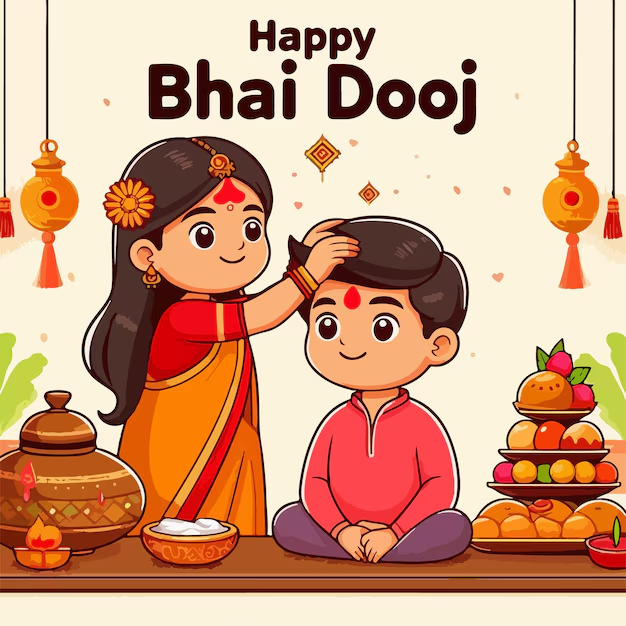
Bhai Dooj, also known as Bhaubeej, Bhai Phonta, Bhai Beej, Bhratri Dwitiya, and Yama Dwitiya, is a joyous Hindu festival that honors the unbreakable bond between brothers and sisters. It falls on the second lunar day (Dwitiya) of the Shukla Paksha in the Kartik month, just two days after Diwali. The festival beautifully represents the affection, care, and lifelong commitment that siblings share.
The Meaning of Bhai Dooj
The term “Bhai Dooj” comes from two Sanskrit words — “Bhai” meaning brother and “Dooj” meaning the second day after the new moon. Thus, Bhai Tika symbolizes the sacred connection of love and protection between brothers and sisters. Much like Raksha Bandhan, it highlights the emotional strength of sibling relationships but is celebrated differently across India.
Origin and Mythological Background of Bhai Dooj
Bhai Tika is rooted in ancient Hindu legends that beautifully describe the affection between divine siblings. Two main stories are associated with this festival.
Lord Krishna and Subhadra
According to one legend, after Lord Krishna defeated the demon Narakasura, he returned home victorious. His sister Subhadra welcomed him with sweets, flowers, and a ceremonial tilak on his forehead as a sign of her love and blessings. Krishna, in return, promised to protect her always. This gesture of sisterly affection is believed to be the origin of Bhai Tika rituals.
Yama and Yamuna
Another famous legend tells the story of Yama, the god of death, and his sister Yamuna. On this auspicious day, Yama visited Yamuna after a long separation. Yamuna greeted him with a tilak, performed aarti, and offered delicious food. Touched by her affection, Yama granted that any brother who receives a tilak and blessings from his sister on this day will be blessed with a long and prosperous life. Hence, the festival is also known as Yama Dwitiya in remembrance of this sacred event.
Bhai Dooj Celebration and Rituals
The celebration of Bhai Dooj brings families together in joy and togetherness. The rituals may vary from region to region, but the essence remains the same — love, respect, and mutual blessings between siblings.
Morning Preparations
On the day of Bhai Tika , sisters wake up early, take a holy bath, and prepare for the rituals. The home is cleaned and decorated with rangoli and flowers. Special sweets such as kheer, barfi, laddoo, and puri are made for the festive meal.
The Tilak Ceremony
The most important ritual of Bhai Dooj is the tilak ceremony. Brothers visit their sisters’ homes, and the sister applies a tilak or chandan tika on the brother’s forehead. She performs aarti and prays for his long life, prosperity, and happiness. In return, the brother gives gifts, sweets, or money to his sister and vows to protect her in all circumstances.
Family Feasts and Gifts
After the rituals, families enjoy a festive meal together. The day is filled with laughter, storytelling, and the exchange of memories. Modern families also share Bhai Dooj greetings through messages, cards, and personalized gifts like hampers, clothes, or jewelry.
Regional Variations of Bhai Dooj Across India
Although Bhai Dooj is celebrated nationwide, each region has its unique customs and names for this special festival.
Bhai Phonta in West Bengal
In West Bengal, Bhai Tika is known as Bhai Phonta. Sisters fast until the tilak ceremony and prepare traditional Bengali delicacies such as sandesh, payesh, and luchi-alur dom. The ritual includes chanting mantras and applying phonta (tilak) made of sandalwood paste and ghee. It is considered one of the most sacred sibling festivals in Bengal.
Bhaubeej in Maharashtra and Goa
In Maharashtra and Goa, the festival is called Bhaubeej. Before applying the tilak, sisters draw a protective square on the floor and make their brothers sit inside it. This square symbolizes protection from evil forces. After the rituals, delicious dishes like puran poli and basundi are enjoyed with family members.
Yama Dwitiya in South India
In South India, Bhai Dooj is celebrated as Yama Dwitiya, where devotees worship Lord Yama and River Yamuna. The belief is that those who take a bath in the Yamuna river on this day are freed from the fear of death. Sisters pray for their brothers’ well-being, and brothers offer thanks for their love and devotion.
Kayastha Community Tradition
Some Kayastha families celebrate Bhai Tika twice a year — once after Diwali and another time after Holi. This unique tradition reflects the community’s strong emphasis on sibling unity and family values.
Significance of Bhai Dooj Festival
Bhai Dooj is more than a ritual; it represents deep emotional bonds that strengthen family unity. The festival teaches values of love, trust, and mutual protection.
- Symbol of Love and Protection: Bhai Tika reminds brothers and sisters of their sacred promise — a brother’s vow to protect and a sister’s prayer for his long life.
- Promotes Family Harmony: It encourages family members to come together, forget differences, and celebrate affection.
- Cultural Continuity: By following age-old traditions, Bhai Dooj keeps Hindu cultural and spiritual practices alive across generations.
Modern Ways of Celebrating Bhai Dooj
With changing times, the way Bhai Dooj is celebrated has also evolved. While traditional rituals remain important, new ways of expressing love have become popular.
Digital Celebrations and Virtual Wishes
In today’s busy world, many brothers and sisters live in different cities or countries. They celebrate Bhai Dooj virtually through video calls, digital cards, and social media posts. Sharing Bhai Tika quotes, wishes, and photos online has become a beautiful part of modern celebration.
Personalized Gifts and Hampers
Gifting remains a key part of Bhai Tika. Modern brothers and sisters exchange personalized items such as photo frames, jewelry, gadgets, perfumes, or customized hampers. These gifts symbolize gratitude, respect, and affection.
Eco-Friendly Celebrations
Many families now prefer eco-friendly decorations and sweets made from natural ingredients. This not only preserves the essence of the festival but also promotes a sustainable lifestyle in harmony with nature.
Bhai Dooj 2025 Date and Muhurat
In 2025, Bhai Dooj will be celebrated on Tuesday, October 28. The Dwitiya Tithi will begin in the morning and is considered auspicious for performing the tilak ceremony. Families prepare in advance to make the day memorable and meaningful.
Conclusion
Bhai Dooj, or Bhaubeej, Bhai Phonta, Bhai Beej, Bhratri Dwitiya, and Yama Dwitiya, is not just a festival — it is a heartfelt reminder of the love that binds brothers and sisters. Rooted in mythology and filled with emotional significance, Bhai Tika strengthens relationships, promotes family unity, and celebrates the timeless spirit of affection. Whether performed through traditional rituals or virtual greetings, the true meaning of Bhai Dooj remains unchanged — a prayer for happiness, protection, and everlasting love between siblings.
FAQs About Bhai Dooj
Q1. What is the main significance of Bhai Dooj?
Bhai Dooj celebrates the bond of love, trust, and protection between brothers and sisters.
Q2. When is Bhai Dooj celebrated?
It falls on the second lunar day (Dwitiya) of Shukla Paksha in Kartik month, usually two days after Diwali.
Q3. What are other names for Bhai Dooj?
Bhai Dooj is also called Bhaubeej, Bhai Phonta, Bhai Beej, Yama Dwitiya, and Bhratri Dwitiya in different parts of India.
Q4. What is the legend behind Bhai Dooj?
The festival is linked to the stories of Lord Krishna and Subhadra, and Yama and Yamuna — both symbolizing the love between siblings.
Q5. How is Bhai Dooj celebrated in modern times?
People exchange gifts, greetings, and social media messages to celebrate love and togetherness across distances.
Krishna Mishra writes for Insights of Hinduism, where he shares heartfelt thoughts on festivals, traditions, and the timeless wisdom of Sanatan Dharma. His aim is to keep the essence of Hindu culture alive in a way that feels simple, authentic, and relatable to everyone.