
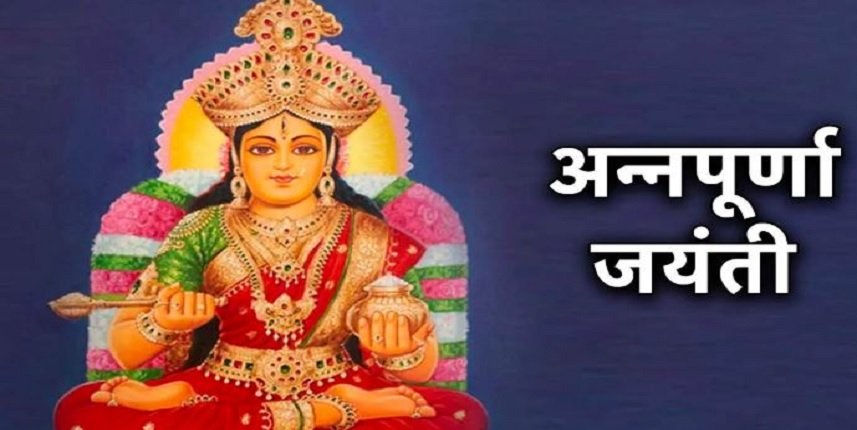
Annapurna Jayanti is one of the most meaningful festivals in Hindu tradition. This day is dedicated to Goddess Annapurna, who is worshipped as the divine mother of nourishment. Food is one of the most basic needs of life, and this festival reminds us that every meal we receive is a form of blessing. Annapurna Jayanti is observed with devotion in the month of Margashirsha, and people believe that worshipping the goddess on this day brings peace, abundance and stability into the home.
The festival highlights a simple truth—life becomes complete when there is food on the plate. Families perform puja and donate food as an act of gratitude. Across India, temples of Goddess Annapurna become centres of devotion, where devotees pray for prosperity and nourishment. The values connected with Annapurna Jayanti are timeless and continue to guide society even today.
Meaning and Background

The word “Annapurna” is formed from two Sanskrit words—“Anna,” which means food, and “Purna,” which means complete or full. Goddess Annapurna is, therefore, the one who provides complete nourishment to the world. Her blessings are believed to remove hunger, scarcity and imbalance from life.
The origin of Annapurna Jayanti is rooted in ancient stories. According to the legend, there came a time when food disappeared from the earth. People suffered, animals were weak and chaos spread everywhere. Lord Shiva, too, felt the absence of nourishment and realized that the universe could not survive without food. He approached Goddess Annapurna, the provider of nourishment. The goddess appeared in a graceful form, carrying a golden vessel filled with food. She fed Lord Shiva and the world once again became balanced.
This story teaches that food is divine, and every grain is precious. Annapurna Jayanti honors this truth. The festival acknowledges the spiritual importance of food and encourages people to stay humble and grateful.
Significance of Annapurna Jayanti
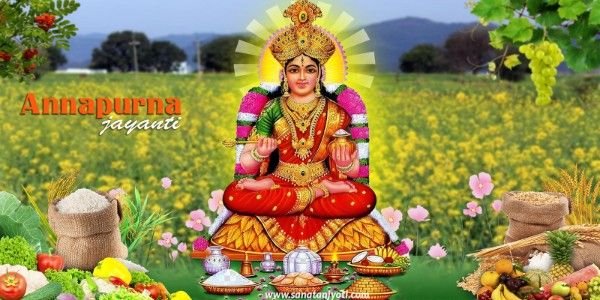
The importance of Annapurna Jayanti is much deeper than rituals. It reflects the connection between human life and nourishment.
1. Symbol of Gratitude
Annapurna Jayanti reminds us to appreciate food. In many families, elders teach younger members not to waste even a single grain. This value becomes stronger during this festival.
2. Blessings for Prosperity
People believe that worshipping Goddess Annapurna brings financial stability and removes uncertainty related to livelihood. A home where food is always available is considered blessed.
3. Strengthening of Family Bonds
Families cook meals together, offer them to the goddess and share them as prasad. This practice increases unity and harmony.
4. Promotion of Charity
This festival encourages feeding the needy. Food donation is considered the purest form of kindness because it directly supports life.
5. Importance of Food in Hinduism
In many scriptures, food is described as “Brahma”—the creator. Annapurna Jayanti reinforces this belief, reminding people that food is sacred.
People often search for Annapurna Jayanti to learn about puja Vidhi, vrat rules and significance so they can observe the festival with devotion.
Key Traditions and Rituals
Traditional Practices in Homes
- Morning Rituals: Devotees start the day with a bath and clean their home thoroughly.
- Worship Space Preparation: A clean cloth is placed, and the image or idol of Goddess Annapurna is decorated.
- Offering Food: Prepared meals like rice, dal, kheer, fruits and sweets are offered.
- Recitation of Stotra: Many devotees chant the Annapurna Stotra or simple prayers expressing gratitude.
- Aarti: Aarti is performed with devotion as the final step of the morning puja.
Temple Rituals
Temples dedicated to the goddess carry out special rituals. Priests conduct hawan, distribute prasad and organize community feasts. Devotees visit temples throughout the day and seek blessings.
Community Traditions
In several regions, groups organize food donation drives. People distribute rice, wheat, vegetables and cooked meals to those who need support. This reflects the true spirit of Annapurna Jayanti.
Annapurna Puja Vidhi (Complete Guide)
Step-by-Step Puja Method
- Clean the Surroundings: A clean environment invites positive energy.
- Set Up the Idol: Place the idol or picture of Goddess Annapurna on a wooden platform.
- Light a Lamp: Light a diya with ghee or sesame oil.
- Offer Water: Offer clean water in a copper or silver vessel.
- Decorate the Idol: Apply turmeric, kumkum and sandalwood paste.
- Offer Flowers and Grains: Fresh flowers, rice, wheat and fruits are offered.
- Prepare Bhog: Cook simple vegetarian food such as rice, dal, vegetables or sweet dishes.
- Chant Prayers: Recite the Annapurna Ashtakam, Annapurna Stotra or simple devotional lines.
- Perform Aarti: Use camphor or a ghee lamp for the aarti.
- Distribute Prasad: Share the offered food among family members and neighbors.
Annapurna Vrat Rules
- Devotees may observe a full or partial fast.
- Many follow a simple diet that includes fruits, milk and light meals.
- Fasting is done with a calm mind and positive thoughts.
- The fast is broken after evening prayers.
Fasting on this day is believed to purify the mind and bring spiritual clarity.
Annapurna Jayanti Date and Time
Annapurna Jayanti falls on the Purnima of the Margashirsha month. This full moon day carries strong spiritual vibrations.
Temples also celebrate the day with special evening aarti, which is considered very auspicious. In many places, cultural programs and group prayers are performed to honor the goddess.
Benefits of Observing Annapurna Jayanti
1. Abundance and Prosperity
Devotees believe that worshipping Goddess Annapurna invites abundance of food and stability into life.
2. Mental Peace
The rituals of Annapurna Jayanti bring calmness and help reduce stress. Food donation creates a sense of satisfaction.
3. Removal of Scarcity
Through devotion and good intentions, families pray for a life free from hunger, struggle and uncertainty.
4. Health and Well-Being
Eating clean and simple food during this day supports physical health and helps detoxify the body.
5. Social Harmony
Sharing meals, supporting others and donating food build unity in society.
6. Strengthening Faith
This festival deepens the belief that divine grace protects us and ensures nourishment.
Dos and Don’ts
Dos
- Use fresh ingredients for bhog and prasad.
- Practice charity and kindness.
- Maintain cleanliness during puja.
- Keep a peaceful and grateful attitude.
Don’ts
- Avoid wasting food at any time during the day.
- Do not use stale food for offerings.
- Do not engage in arguments or negative thinking.
- Avoid harsh actions or impure habits.
Conclusion
Annapurna Jayanti is a meaningful festival that teaches gratitude, compassion and respect for food. Worshipping Goddess Annapurna brings stability, prosperity and peace. The rituals are simple, yet powerful. This day encourages everyone to understand the value of food and to share it with those who need it most.
The festival strengthens family bonds, promotes good habits and reminds us that nourishment is a divine blessing. By observing Annapurna Jayanti with devotion, families invite joy, balance and abundance into their lives. It celebrates the eternal truth that food sustains the world, and respecting it honours the divine mother who provides it.
FAQ
1. What is Annapurna Jayanti?
Annapurna Jayanti is a festival dedicated to Goddess Annapurna, the giver of food and nourishment.
2. When is Annapurna Jayanti celebrated?
It is observed on the full moon day of the Margashirsha month.
3. What are the main rituals of this festival?
Offering food, reciting prayers, performing aarti and practicing charity.
4. What food is offered to the goddess?
Freshly cooked rice, vegetables, sweets and fruits are common offerings.
5. Is fasting necessary?
Fasting is optional and can be done based on one’s capacity.
6. Why is food donation important on this day?
Feeding the poor is considered one of the purest forms of devotion.
7. What are the benefits of worshipping Goddess Annapurna?
She blesses devotees with abundance, peace, nourishment and stability.

Krishna Mishra writes for Insights of Hinduism, where he shares heartfelt thoughts on festivals, traditions, and the timeless wisdom of Sanatan Dharma. His aim is to keep the essence of Hindu culture alive in a way that feels simple, authentic, and relatable to everyone.