
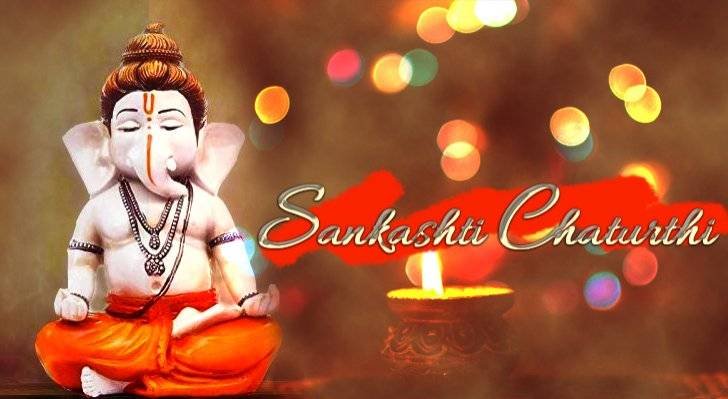
Sankashti Chaturthi Vrat is one of the most sacred and spiritually powerful fasts dedicated to Lord Ganesha, the divine remover of obstacles and the giver of wisdom. Every month, millions of devotees across India observe this vrat with faith, hoping to overcome problems, clear mental blocks, and invite peace, prosperity, and divine protection into their lives.
This vrat holds a special place in Hindu tradition because it connects the devotee with Chaturthi tithi, a lunar day deeply associated with Lord Ganesha. On this day, Ganesha’s blessings are considered especially strong, and any prayer offered with devotion is believed to be quickly fulfilled.
Whether someone is facing career challenges, financial stress, family issues, or emotional difficulties, devotees believe that observing the Sankashti Chaturthi Vrat helps remove these obstacles and brings new beginnings. This is why Ganesha is lovingly called Vighnaharta — the destroyer of hurdles.
What Is Sankashti Chaturthi Vrat ? — Meaning Explained
Understanding the Sankashti Chaturthi Vrat meaning is simple, yet deeply spiritual.“Sankashti” comes from the Sanskrit word sankat, meaning difficulties or problems.“Chaturthi” refers to the fourth day of the lunar fortnight.Together, Sankashti Chaturthi Vrat means a sacred day dedicated to removing obstacles, fears, troubles and negative energies through Ganesha’s grace.
The vrat is observed on the Krishna Paksha Chaturthi of every month — the waning phase of the moon. Devotees fast from morning until moonrise, worship the monthly form of Ganesha, and conclude the fast after sighting the moon. Each month is linked to a different Ganesha form, mantra and story, making the vrat spiritually rich and unique.
Sankashti Chaturthi Vrat Significance
The significance of this vrat goes far beyond ritual fasting. Sankashti Chaturthi Vrat is believed to:
1. Remove Obstacles
Ganesha is worshipped at the beginning of every auspicious work because He clears the path. This vrat strengthens the devotee’s ability to overcome hurdles.
2. Bless Devotees With Wisdom
Students, professionals, and those facing confusion or indecision often keep this vrat for clarity of thought.
3. Bring Peace and Harmony
Families observing Sankashti Chaturthi Vrat together experience unity, reduced conflicts, and emotional balance.
4. Improve Discipline and Self-Control
The fasting rules and puja vidhi encourage purity, devotion, and inner discipline.
5. Strengthen Spiritual Connection
The vrat promotes meditation, mantra chanting, and devotion — important tools for spiritual growth.
For these reasons, Sankashti Chaturthi Vrat is not just a ritual but a monthly spiritual reset that helps devotees realign their mind, values, and life direction.
Sankashti Chaturthi Vrat 2025 Date
In 2025, the most awaited monthly fast of devotees falls on:
7 December 2025 (Sunday)
Moonrise timing will determine when the fast is broken. Like every month, it is observed on the Krishna Paksha Chaturthi, following the full moon.
Devotees often check moonrise timings according to their city to perform the ritual correctly.
Monthly Sankashti Chaturthi Vrat Dates
Sankashti Chaturthi Vrat comes 12 times a year, each linked with a different form of Ganesha and a unique vrat katha. For those who observe it monthly, the cycle becomes a beautiful spiritual discipline that purifies the mind and strengthens faith.
If you want, I can prepare a detailed month-wise dates chart for the whole 2025 calendar.
Types & Names of Sankashti Chaturthi Vrat
Each month of Sankashti Chaturthi has a unique form of Lord Ganesha. Some popular ones include:
1. Angarki Sankashti Chaturthi
When Sankashti Chaturthi happens to fall on a Tuesday (Mangalwar), it becomes Angarki Sankashti.
This is considered the most powerful among all Sankasktis because:Tuesday is ruled by MarsMars is associated with strength and courageDevotees believe wishes are fulfilled faster on this day
Temples, especially in Maharashtra and Karnataka, witness huge crowds on Angarki Sankashti.
2. Ekadanta Sankashti Chaturthi
Ekadanta, meaning “one-toothed,” symbolizes spiritual strength, control over desires, and determination.
This form is worshipped for:ConcentrationSelf-disciplineOvercoming addictions and bad habits
3. Ganadhipa Sankashti Chaturthi
Ganadhipa represents Ganesha as the king of all Ganas (divine beings). This form is worshipped for:LeadershipWisdomJusticeThe ability to manage responsibilities
4. Vakratunda Sankashti Chaturthi
Vakratunda, the Ganesha with a curved trunk, is the destroyer of evil forces. He protects devotees from:Negative energiesJealousyHidden enemiesSudden life challenges
Each of these forms carries a unique message and blessing, making every month’s Sankashti spiritually meaningful.
How to Do Sankashti Chaturthi Vrat (Complete Step-by-Step Guide)
Observing the vrat correctly is important. Below is a simple, beginner-friendly guide.
1. Start the Day With a Sankalp
After bathing, sit before Ganesha and make a vow (sankalp). For example:
“I observe this Sankashti Chaturthi fast with devotion. May Lord Ganesha remove obstacles from my life and bless me with wisdom, strength, and peace.”
The sankalp sets your intention and purity of mind.
2. Morning Preparations
Clean the puja areaLight a small diyaOffer fresh flowers or durva grassPlace Ganesha’s picture or idol facing east or northRead a few lines from Ganesha stotram or any devotional hymn
The morning routine should be peaceful and simple.
Sankashti Chaturthi Fasting Rules
Fasting is central to the vrat. Devotees follow different types depending on their capacity.
1. Nirjala Vrat
No waterNo foodObserved until moonrise
This is strict and followed by experienced devotees.
2. Phalahar Vrat
This is the most common form of fasting. You may consume:FruitsMilkCoconut waterSabudana dishesMakhanaPeanutsHerbal teaCurdSago khichdiFruit salad
Grains, salt, onion, and garlic are avoided.
3. Upvas With One Satvik Meal
Some families allow one light, grain-free meal without spices and salt.
This usually includes:Boiled potatoFalahari khichdiFruit bowl
Sankashti Chaturthi Puja Vidhi (Evening Puja)
Puja is ideally performed after sunset and before moonrise.
Step-by-Step Puja Vidhi
1. Prepare the Puja Thali
Keep the following items ready:Ghee or sesame-oil diyaFresh flowersDurva grassFruits (especially banana)Modak or ladooIncense sticksWater in a copper or steel lotaA clean clothChandan, kumkum
2. Worship Lord Ganesha
Sit facing east or northLight the diyaOffer water, chandan, kumkum, and flowersOffer durva grassOffer modak or bananaRecite Ganesha mantras or Sankashta Nashana Stotra
3. Chanting and Japa
4. Moonrise Ritual
Devotees chant:
“Om Gan Ganapataye Namah”
at least 108 times.
Chanting calms the mind, improves focus, and connects you to divine energy.
The fast ends only after sighting the moon.Offer water (arghya) to the moonShow the diyaPray for peace, removal of obstacles, and good healthBreak the fast with prasad
The vrat is completed only after offering arghya to the moon.
Sankashti Chaturthi Vrat Katha
A popular Sankashti story tells of Lord Krishna, who once faced many challenges and obstacles. Disturbed by the events, he approached Rishi Narada for guidance. Narada advised Krishna to observe Sankashti Chaturthi Vrat with devotion.
Krishna followed every rule, performed the puja, heard the Sankashti katha, and broke the fast only after seeing the moon.
Soon, his troubles dissolved, success returned, and harmony was restored.
The story’s message is simple:
When one surrenders their worries to Lord Ganesha with faith, even the biggest obstacles disappear.
Benefits of Sankashti Chaturthi Vrat
The vrat is known for both material and spiritual benefits:
1. Removes Obstacles
Helps overcome personal, professional, and emotional difficulties.
2. Ensures Prosperity
Blesses households with wealth, stability, and good fortune.
3. Enhances Wisdom & Intelligence
Students and professionals often observe this vrat for clarity of thought.
4. Brings Family Harmony
Reduces conflicts, protects family, and spreads positivity.
5. Promotes Self-Control
Fasting teaches discipline and purity.
6. Strengthens Spiritual Growth
Encourages meditation, patience, and devotion.
Regional Traditions of Sankashti Chaturthi
1. Maharashtra
One of the most active states for SankashtiTemples host special evening aartisModaks are offeredAngarki Sankashti is celebrated with great enthusiasm
2. North India
Families maintain strict fasting traditionsPuja is done with simple offeringsMoonrise is followed closely
3. South India
Sankashti is known as “Sankatahara Chaturthi”Temples conduct special homamsFalahari dishes like payasam are offered after moonrise
Each region adds its own beauty and devotion to the vrat.
Conclusion
Sankashti Chaturthi Vrat is more than a ritual — it is a monthly reminder to pause, purify the mind, and realign with divine wisdom. For devotees who seek peace, strength, clarity, and protection, this vrat becomes a powerful spiritual practice.
Whether you observe it once or every month, the vrat brings blessings from Lord Ganesha, clears obstacles, and fills life with positivity and divine grace.

Krishna Mishra writes for Insights of Hinduism, where he shares heartfelt thoughts on festivals, traditions, and the timeless wisdom of Sanatan Dharma. His aim is to keep the essence of Hindu culture alive in a way that feels simple, authentic, and relatable to everyone.