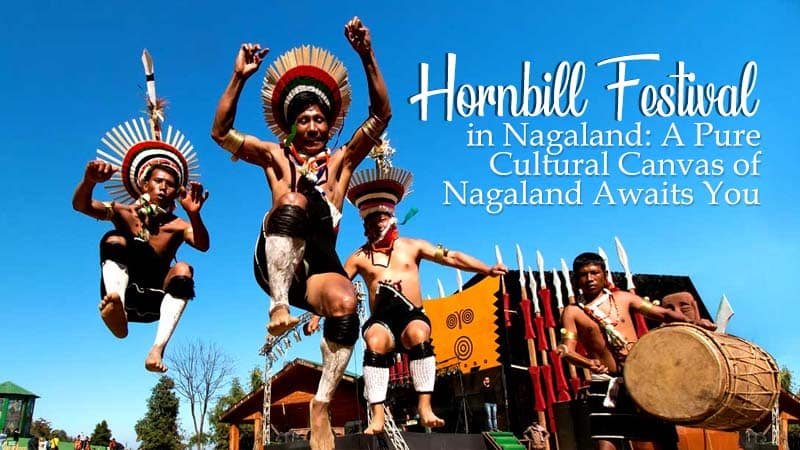
The Hornbill Festival is one of India’s most vibrant cultural celebrations, showcasing Nagaland’s tribal heritage, traditions, and spirit. Every year, thousands of travellers from India and abroad visit the scenic hills of Kohima to witness this spectacular festival. If you are planning a Hornbill Festival Tour Package this year, this guide covers everything you need — tour packages, ticket prices, itinerary, stay options, travel routes, photography spots, and essential travel tips.
Hornbill Festival is Celebrated in Which State?
The Hornbill Festival in Nagaland, Northeast India, is a vibrant celebration of tribal traditions, music, dance, and handlooms. Set against lush green mountains, the festival showcases the warrior spirit, unity, and rich cultural heritage of Naga tribes.
Planning a Hornbill Festival Tour Package lets travellers enjoy performances, local crafts, and traditional cuisine without hassle.
Insights from Hinduism
Although Nagaland is mostly Christian, the festival reflects values similar to Hinduism:
- Reverence for Nature: Tribal rituals honor mountains, rivers, and forests, echoing Hindu respect for nature.
- Community & Dharma: The festival emphasizes duty, harmony, and social unity, central to Hindu philosophy.
- Symbolism: Tribal dances and rituals celebrate life, good over evil, and gratitude—parallels seen in Hindu festivals.
A travel package ensures curated itineraries, local guidance, and cultural immersion, making your Hornbill Festival experience unforgettable.
Hornbill Festival is Celebrated in Which State of India?

It is celebrated in the state of Nagaland — and is sometimes called the “Festival of Festivals” because it brings together all 16 Naga tribes under one platform.
Hornbill Festival Tour Package Location
The festival is organised at:
Kisama Heritage Village
Near Kohima, Nagaland
This heritage village is specially designed to preserve tribal architecture, culture, and lifestyle. Located about 12 km from Kohima town, Kisama Heritage Village becomes the central hub for events, food stalls, morungs, craft exhibitions, adventure activities, and musical performances. Travelling through a Hornbill Festival Tour Package ensures you experience all these highlights conveniently and enjoyably.
What is the Hornbill Festival?
The Hornbill Festival is a cultural event held every year from 1st to 10th December. Started by the Government of Nagaland to promote the rich traditions of Naga tribes and encourage cultural tourism, the festival can be best experienced through a Hornbill Festival Tour Package, which helps travellers enjoy performances, exhibitions, local cuisine, and heritage sites without any hassle.
Why is it Special?
- All major Naga tribes perform their own dance forms.
- Traditional war cry, spear play, folk music and storytelling.
- A mix of ancient culture and modern attractions like rock concerts.
- Best food, textiles, bamboo crafts and tribal art on display.
- Festival grounds turn into a live museum of Naga life.
It’s energetic, colourful, warm and deeply rooted in tradition — making it one of India’s most unique cultural festivals.
Highlights of the Hornbill Festival
1. Traditional Naga Dance & Music Shows
Each tribe performs its signature dance form dressed in stunning costumes made from feathers, beads and bamboo.
2. Morungs – Tribal Community Houses
Each tribe builds its own traditional morung at Kisama. These are architectural masterpieces and perfect photography spots.
3. Naga Food Festival
Try dishes like smoked pork, bamboo shoot curry, sticky rice, axone chutney and local millet beer.
4. Fashion & Handloom Exhibitions
Naga shawls, spears, jewelry, bamboo baskets and handwoven textiles attract buyers from around the world.
5. Sports & Adventure Events
- Archery
- Wrestling
- Naga war games
- Trekking
- Cycling events
6. Hornbill International Rock Festival
Nightly musical concerts featuring top bands from India and abroad.
Hornbill Festival Photography (Nagaland) – A Dream for Photographers
Nagaland is one of the most photogenic regions of India. During the festival:
Best Photography Spots
- Morungs during daylight
- Tribal dance performances
- Night carnival lights
- Food stalls
- Local markets
- Surrounded green hills of Kohima
Photography Tips
- Early morning gives the best golden light.
- Ask permission before close-up portraits.
- Carry extra memory cards and batteries.
- Drone usage needs special permission.
Hornbill Festival Tour Package
Here are the most popular types of tour packages for travellers:
Budget Tour Package (2–3 Days)
Price: ₹12,000 – ₹18,000 per person
Includes:
- Shared accommodation
- Transfers from Dimapur/Kohima
- Local sightseeing
- Entry tickets
- Festival visit on 2 days
Standard Tour Package (3–4 Days)
Price: ₹20,000 – ₹30,000 per person
Includes:
- 3-night hotel stay
- Breakfast & dinner
- Guided tour of festival
- Kohima sightseeing
- War Cemetery, Kisama, Khonoma Village
Premium Tour Package (4–5 Days)
Price: ₹35,000 – ₹55,000 per person
Includes:
- Premium hotels/homestays
- All meals
- Expert cultural guide
- Photography sessions
- Dzükou Valley trek (optional)
Hornbill Festival Tour Package Tickets Price
Prices vary slightly each year, but the usual range is:
- Entry ticket: ₹30 – ₹100 per person per day
- Season pass: Around ₹500 – ₹1000
- VIP seating: ₹1500 – ₹3000 per day
- Special events (rock shows): ₹500 – ₹2000
Kids and senior citizens sometimes get concessions.
How to Reach the Hornbill Festival
By Air
- Nearest airport: Dimapur Airport
- Direct flights from Kolkata, Delhi, Guwahati
From Dimapur → Kohima (approx 2.5 hours drive)
By Road
- Taxi from Dimapur to Kohima: ₹2500–₹3500
- Shared cabs: ₹350–₹500
By Train
- Nearest railway station: Dimapur
- Trains available from Guwahati, Delhi, Kolkata
Best Time to Visit
The festival runs from 1 to 10 December, but the best days are:
- Opening day (1 December) – Full energy, all tribes perform
- Weekend days – Larger crowds, major events
- Final day (10 December) – Grand closing ceremony
Weather: Cold, pleasant, 8°C–15°C.
Suggested Itineraries
2-Day Quick Trip
- Day 1: Kohima + evening carnival
- Day 2: Hornbill Festival full day
3-Day Standard Trip
- Day 1: Arrival + Kohima sightseeing
- Day 2: Hornbill Festival + photography
- Day 3: Khonoma Village + local market
5-Day Extended Trip
- Day 1–2: Kohima & Hornbill Festival
- Day 3: Khonoma eco-village tour
- Day 4: Dzükou Valley trek
- Day 5: Local markets + departure
Food & Shopping
Must-Try Foods
- Smoked pork
- Naga chutneys
- Bamboo steamed rice
- Black sticky rice dessert
What to Buy
- Naga shawls
- Bamboo crafts
- Handmade jewelry
- Tribal art pieces
Permits, Safety & Local Guidelines
- Inner Line Permit (ILP) is required for Indians.
- Foreign tourists do not need a permit.
- Avoid late-night travel outside main areas.
- Respect tribal customs & photography etiquette.
Hornbill Festival UPSC Notes
Useful points for exams:
- Hosted by Nagaland Government
- Held at Kisama Heritage Village
- Purpose: Promote Naga tribal culture
- Duration: 10 days (1–10 December)
- Named after the Hornbill bird, a sacred symbol for Naga tribes
- Showcases tribal unity and cultural preservation
Good for:
- Art & Culture section
- Tribal traditions of Northeast
- Government tourism initiatives
Conclusion
The Hornbill Festival is more than a cultural event — it is a celebration of identity, unity, storytelling and tradition. A Hornbill Festival Tour Package offers travellers a chance to witness one of the richest tribal cultures of India while exploring Nagaland’s natural beauty, food, music and heritage.
Whether you’re a photographer, culture enthusiast, backpacker or simply a traveller looking for something new, the Hornbill Festival promises unforgettable memories.
FAQs
1. Hornbill Festival is celebrated in which state?
Hornbill Festival is celebrated in the state of Nagaland. It takes place every year from 1–10 December and showcases the rich culture of Naga tribes.
2. Where exactly is the Hornbill Festival held?
The festival is hosted at Kisama Heritage Village, located about 12 km from Kohima, the capital of Nagaland.
3. What is the Hornbill Festival famous for?
The festival is known for its tribal dances, traditional music, Naga food, handloom crafts, cultural performances, and vibrant morungs. It is also called the Festival of Festivals.
4. What is the ticket price for the Hornbill Festival Tour Package?
Entry tickets usually range from ₹50–₹100 per day. Some special performances or photography zones may have additional charges.
5. What is included in a Hornbill Festival Tour Package?
A typical tour package includes:
- Hotel accommodation
- Airport/railway pickup
- Festival entry passes
- Guided visit to Kisama Heritage Village
- Local sightseeing around Kohima
Packages differ based on itinerary and budget.
6. How much does a Hornbill Festival Tour Package cost?
Package prices vary by duration and stay quality:
- Budget: ₹12,000–₹18,000 (2–3 days)
- Standard: ₹20,000–₹30,000 (3–4 days)
- Premium: ₹35,000–₹55,000 (luxury stay)
7. Is photography allowed at the Hornbill Festival?
Yes, photography is allowed and encouraged. Visitors capture traditional dances, morungs, and night carnival scenes. Some areas may require special photography permission.
8. How can I reach the Hornbill Festival?
To plan your Hornbill Festival Tour Package, the nearest airport and railway station is Dimapur. From there, travelers can take a taxi or shared cab to Kohima and continue by road to Kisama Heritage Village, the main festival venue. Most tour packages include transportation from Dimapur to the festival for a hassle-free experience.
9. Why is it called the Hornbill Festival?
The festival is named after the Hornbill bird, which holds special significance in Naga culture as a symbol of courage, beauty, and tribal identity. A well-planned Hornbill Festival Tour Package ensures you experience all cultural performances, dances, and exhibitions that celebrate this symbolic bird.
10. Is an Inner Line Permit (ILP) required for visiting Nagaland?
Yes. Indian tourists need to obtain an Inner Line Permit (ILP) before entering Nagaland. Most Hornbill Festival Tour Package assist with the ILP process or guide travelers on how to apply online or at designated offices, making your trip seamless and stress-free.
Krishna Mishra writes for Insights of Hinduism, where he shares heartfelt thoughts on festivals, traditions, and the timeless wisdom of Sanatan Dharma. His aim is to keep the essence of Hindu culture alive in a way that feels simple, authentic, and relatable to everyone.