
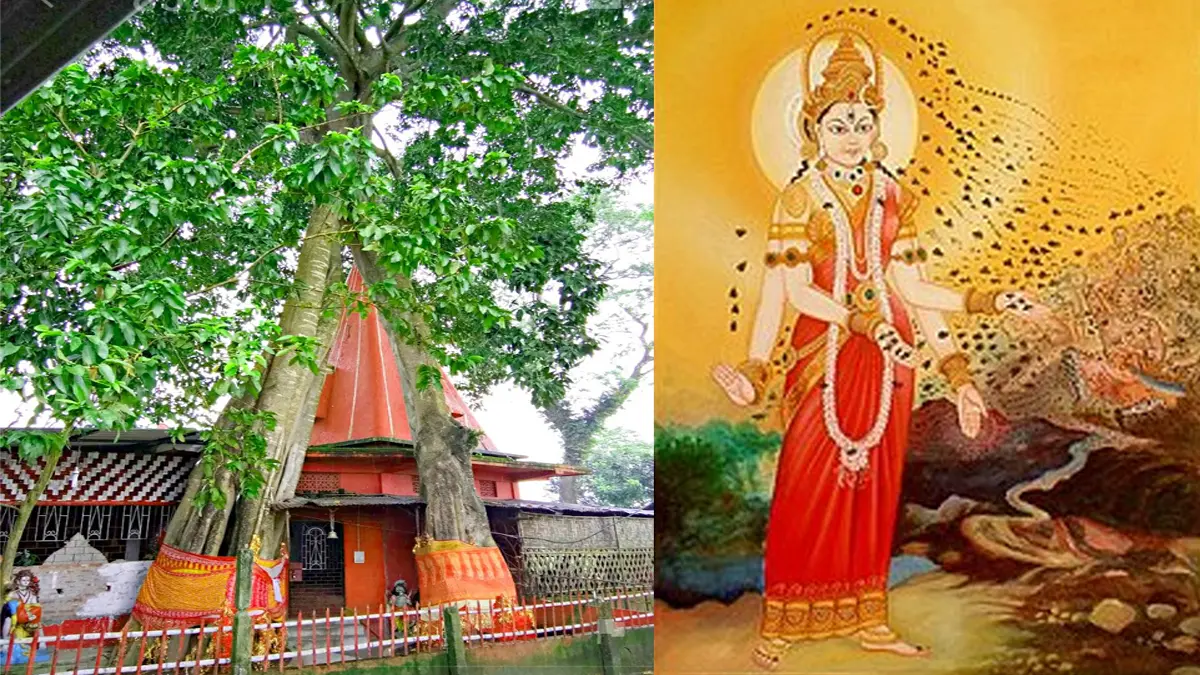
People have long connected West Bengal, one of India’s most spiritually rich areas, to Shakti, the divine feminine energy. The Shakti Peeths are very important to the people’s culture, religion, and feelings. Many devotees who worship Goddess Sati look for a List Of Total Shakti Peeth In West Bengal so they can plan their trip and learn more about her sacred history. Each temple is believed to be the site where different body parts or ornaments of the Goddess fell, making them highly significant places for prayer and devotion.
When people ask how many Shakti Peeth there are in West Bengal, they are usually talking about the four big ones that are famous and talked about in history books. Nakhileswari, Kalighat, Tarapith, and Attahas are some of these. In addition to these temples, pilgrims who follow Bengal’s greater spiritual map also visit other temples and places to offer their respects. Each Shakti Peeth has its unique culture, customs, and personality. This means that each person who goes to these sacred sites in West Bengal has a unique spiritual experience.
This article has a full, well-organised, and easy-to-read list of all the List Of Total Shakti Peeth In West Bengal. It describes the story of each temple, where it is, and what it represents spiritually. This book contains everything you need to know about Bengali spirituality, whether you’re a researcher, a pilgrim, or just interested.
What are the Shakti Peeths?

Shakti Peeths are sacred sites that honour the goddess Shakti. People believe that Sati’s body pieces fell here when she lit herself on fire during Shiva’s tandava. These places have been venerated for thousands of years and are some of the most important pilgrimage routes in Hinduism. Devotees often look for a List Of Total Shakti Peeth In West Bengal to explore these holy sites. The Shakti Peeths in West Bengal are especially well-known due to their connection with Tantric traditions and the Shakta culture that has developed in Bengal over time.
There are a lot of Peeths in this area that indicate how the goddess has changed the spiritual and cultural life of Bengal. People who go to these temples say that they protect them, give them strength, bless them, and aid them through tough times. A lot of people in West Bengal feel that reading the list of Shakti Peeth changes them spiritually.
List Of Total Shakti Peeth In West Bengal Complete Guide
Most religious texts indicate that there are four primary Shakti Peeths in West Bengal. These are the most important places that pilgrims visit. Some of these Peeths are Kalighat, Tarapith, Attahas, and Nakhileswari. While some traditions also mention minor shrines, the four main temples remain the core of Bengal’s spiritual identity. Devotees often refer to a List Of Total Shakti Peeth In West Bengal to plan their visits effectively.
Each temple carries deep mystical significance, as different parts of Goddess Sati are associated with different sites. Pilgrims who visit all of West Bengal’s Shakti Peeth often complete a full pilgrimage circuit, making their journey both spiritually enriching and historically meaningful.
Shakti Peeth at Kalighat
One of India’s most famous and powerful Shakti Peeths is Kalighat. People say that Goddess Sati lost her right toe at this shrine in the middle of Kolkata. Devotees often refer to a List Of Total Shakti Peeth In West Bengal to plan their visits to such sacred sites. People love Kali when she’s fierce because she can transform situations, protect devotees, and fight like a warrior.
Pilgrims come to the temple to receive blessings for peace, strength, and safety, while the sound of bells, the fragrance of flowers, and the chants fill the air. Kalighat is not only a religious temple but also an essential part of Kolkata’s culture, shaping its beliefs, art, and festivals.
The Shakti Peeth in Tarapith
Tarapith, located in the Birbhum district of West Bengal, is another well-known Shakti Peeth. Devotees often consult a List Of Total Shakti Peeth In West Bengal to include Tarapith in their pilgrimage. This temple is dedicated to Goddess Tara, a form of Shakti associated with protection, knowledge, and deep spiritual wisdom. It is believed that Sati’s third eye fell at Tarapith, making it extremely important for tantra and spiritual practices.
The atmosphere at Tarapith feels otherworldly. The riverbed beside the temple, the nearby cremation ground, and the serene surroundings together create a unique spiritual ambiance. Many sadhaks and followers have performed penances here, making Tarapith a center for those seeking deeper spiritual understanding.
The Shakti Peeth in Attahas
The Attahas Shakti Peeth Attahas, also known as the Attahas Kali Temple, is in Labhpur, which is close to Bolpur in Birbhum. People say that the bottom lip of Goddess Sati fell here. People come to the temple all year since it is in a quiet region and has a strong heavenly presence.
Attahas is a better spot to pray than the busy temples in the city. People who visit this temple often say it helps them feel better emotionally and spiritually. It is one of the most important names on the List Of Total Shakti Peeth In West Bengal.
Shakti Peeth of Nakhileswari
People say that some of Sati’s jewels fell at the Nakhileswari temple, which is an ancient and prominent Shakti Peeth in Murshidabad. The temple’s tranquil beauty and its quiet rural setting make for a very different spiritual experience than the more well-known Peeths.
This temple shows the essence of old spiritual Bengal and is built in the style of traditional Bengal architecture. People who want to see all of West Bengal’s Shakti Peeth generally arrange to visit this temple.
The Cultural Significance of Shakti Peeths in Bengal
The Shakti Peeths in West Bengal are not only sacred sites but also major cultural landmarks that have shaped the religious identity of Bengal. Devotees often consult a List Of Total Shakti Peeth In West Bengal to visit these important temples. The worship of Shakti has long influenced Bengali culture, inspiring its literature, art, festivals, and social practices. During major celebrations like Kali Puja and Durga Puja, the presence of Shakti’s spirit can be felt throughout the state.
These Peeths also highlight Bengal’s deep connection to Tantric traditions, spiritual seekers, and ancient practices. Each temple carries its own stories, rituals, and customs, reflecting the rich cultural and spiritual diversity of West Bengal.
How many Shakti Peeths exist in West Bengal?
The most well-known sources claim that West Bengal has four significant Shakti Peeths. However, some traditions include additional temples that are spiritually connected to the original legendary map. Despite this, devotees often follow the primary count of the four main Peeths.
This count represents the official List Of Total Shakti Peeth In West Bengal, helping pilgrims plan their journeys and understand the mythical and spiritual significance of each temple.
Commonly Asked Questions
How many Shakti Peeths are there in the state of West Bengal?
Kalighat, Tarapith, Attahas, and Nakhileswari are the four most well-known Shakti Peeths in West Bengal.
Which List Of Total Shakti Peeth In West Bengal is the most famous?
Kalighat in Kolkata is the most well-known and popular Shakti Peeth in the state.
What went on in the Shakti Peeths in West Bengal?
These areas are spiritually powerful since many of Goddess Sati’s body parts and decorations fell there.
Is Tarapith a place where Shakti lives?
It is said that Sati’s third eye fell on Tarapith, which is one of the main Shakti Peeths.
Can pilgrims visit all of the Shakti Peeths in one trip?
A lot of people plan a comprehensive spiritual trip that includes visits to all four Shakti Peeths in West Bengal.
Conclusion
In short, millions of people pray at the Shakti Peeths in West Bengal. These temples are some of India’s most spiritually charged and have a strong connection to ancient mythology. Pilgrims often seek a List Of Total Shakti Peeth In West Bengal so they can visit these holy sites with more dedication and understanding. Every temple has its own unique atmosphere, from the bustling energy of Kalighat to the ethereal aura of Tarapith to the calm beauty of Attahas and Nakhileswari. Visiting these sacred temples is more than simply a religious experience; it’s also a chance to explore Bengal’s spiritual heart and rich culture.

Krishna Mishra writes for Insights of Hinduism, where he shares heartfelt thoughts on festivals, traditions, and the timeless wisdom of Sanatan Dharma. His aim is to keep the essence of Hindu culture alive in a way that feels simple, authentic, and relatable to everyone.